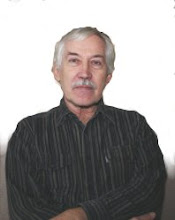
My little book "Ice and the Titanic" was recently published in Hebrew translation in Israel. Now, there has been a review of the book in Haaretz. As my Hebrew is absolutely elementary, I let Google translator translate it for me. The result made me really laugh. I cannot but post it here, a mixture of Hebrew and would-to-be English.
Yours sincerely
Lan Kflinsky
13/05/09 Posted on - 08:42 13/05/09
עת לכל פחד Fear all the time
מאת ראובן מירן By Reuven Biran
תגיות: מסות , "הקרח והטיטניק" Tags: regulation, "the ice Ohtitnik"
הקרח והטיטניק Ice Ohtitnik
יאן קפלינסקי. Lan Kflinsky. תירגם מאסטונית והוסיף הערות ואחרית דבר:
רמי סערי. Translated Estonian adding comments epilogue: Rami Sa'ri.
הוצאת הקיבוץ המאוחד, 157 עמ', 78 שקלים Publishing unified grouping,
157 p., 78 shekels
בחברה המערבית הפוסט-מודרנית היהירה והמנוכרת שאת הקודים התרבותיים
והמוסריים שלה אימצנו לעצמנו מרענן לפגוש מישהו שאינו חי במרכז העולם אלא
בפאתי צפון. Western society post - modern Ohmnocrt snob whose moral
and cultural codes Aimtzno ourselves refreshing to meet someone who is
not living in the center of the world except North Bfati. יאן קפלינסקי
הוא סופר ופילוסוף אסטוני, המודע למצבו ולמצב העולם שהוא חי בו, ומצליח
להפוך את חרדותיו אל מול ההיסטוריה של ארצו לפואטיקה הגותית הנכתבת
מנקודת מבט אישית מאוד אך גם כלל אנושית. Lan is a writer Kflinsky
Estonian philosopher, the ad world situation to a situation in which
he lived managed Hrdotio to make history in front of his poetry
written from the Gothic look, but also very personal at all human.
קפלינסקי, משורר, סופר, מתרגם, מחזאי והוגה דעות ממוצא יהודי למחצה.
Kflinsky, poet, writer, translator, playwright philosopher semi-Jewish
descent. נולד ב-1941 באסטוניה שנכבשה בידי גרמניה הנאצית והתבגר תחת
שלטון רוסיה הסובייטית. -1941 Was born in Estonia occupied by Nazi
Germany teenager under Soviet rule of Russia. באחד מהגולאגים
הסטליניסטים, על פי עדותו, נרצח אביו כ"עבד אלמוני". In one Mhgolagim
Hstlinistim, according to testimony, his father was murdered כ"ע cloth
Anonymous. " הוא החל את דרכו המקצועית כסוציולוג ואקולוגיסט ופירסם קובץ
שירים ראשון ב-1965. He started his professional sociologist Oakologyst
file songs first published in 1965. בין השנים 1992-1995 כיהן קפלינסקי
כחבר פרלמנט במדינתו, וניסה להוסיף למלה הכתובה ממד מעשי. Between the
years 1992-1995 as a member of parliament held Kflinsky country, and
tried to add a practical dimension written word. כיום הוא נחשב למשורר,
הסופר ואיש הרוח המוביל בארצו ומועמד-של-קבע לפרס נובל לספרות. Today he
is considered למשורר, Scribe and spirit leading candidate country - of
- Noble literature prize set.
הספר החכם והרגיש הזה, "הקרח והטיטניק", ראה אור לראשונה באסטוניה ב-1995
והוא הראשון של קפלינסקי המתפרסם בעברית. This sensitive book smart,
"Ohtitnik ice", first saw light in 1995 and Estonia's first Kflinsky
published in Hebrew. את ההפתעה הנהדרת הטמונה בפגישה עם האדם והיוצר
המפתיע הזה צריך לזקוף לזכותו של המשורר והמתרגם רמי סערי, עורך הסדרה
"צפון" בהוצאת הקיבוץ המאוחד. The great surprise lies with the person
at the meeting this need and creates Hmftia credit an account of the
poet Rami Sa'ri translator, editor of the series "North," published by
unified grouping. זהו אוסף המאגד 110 מסות סיפוריות או סיפורים הגותיים
קצרים, המתארים, בסגנון סיפורי פשוט ונהיר, את מצבו של העולם בשלהי המאה
ה-20. This is a collection of 110 Hmagd cover stories or short stories
Hgotiim, descriptors, style stories just clear, the condition of the
world at the end of the 20th century.
הטקסטים האלה הם מופת לקסם הנצחי והלא-מנוצח של הפשטות. These texts are
exemplary and non eternal magic - the defeated simplicity. הם נולדו
מתחושה עמוקה של אי-ודאות המקננת בלבו של בן לארץ קטנה (פחות משני מיליון
תושבים). They were born a deep sense of failure - Hmknnt בלבו
certainty of a small country (less than two million inhabitants).
המחשבות, המועלות בספר בסגנון סיפורי נגיש וסוחף, מתייחסות לשאלות
מהותיות בתחומי החיים, התרבות והחברה. Thoughts, Hmoalot book-style
stories accessible sweeping, significant questions relate to aspects
of life, culture and society. המסות הסיפוריות האלה נולדו מתוך תחושת
אי-ודאות שהיא תולדה של חיים בזמן ובמרחב ההפקר בין קריסתן של
אידיאולוגיות טוטליטריות דוגמת הקומוניזם הלאומי-לאומני והפאשיזם-נאציזם,
שהתיימרו לברוא אדם חדש - לבין עולם פוסט-מודרני שבו אין עוד האדם מותר
מן הבהמה, ובעצם אין לו כל יתרון מוסרי על פני כל יישות חיה או דוממת
אחרת. Melting story of these were born of non sense - certainty that
she was living at the time of procreation ובמרחב Hhfkr between Kristn
of totalitarian ideologies such as communism national - nationalistic
fascism - Nazism, professes to make a new man - and the post-World -
in which modern man no longer allowed from Hvamh Actually, no him a
moral advantage over the animal or any entity other inanimation.
בעולם מנוכר שכזה, איזה מקום יש - אם בכלל - לראייה הומניסטית של החיים,
לרגש של סולידריות אנושית חובקת עולם, זו המסוגלת ליצור תרבות אנושית אחת
שעוצמתה ומוסריותה טמונות דווקא בשונות המגוונת שממנה היא מורכבת? Such a
stranger in the world, which has a place - if any - of the humanist
vision of life, human solidarity and rage of חובקת world, capable of
creating this culture of human Omosriuth strength lies precisely in
the variety from which it is composed?
והחירות, אותו ערך מקודש בכל הזמנים, האם השמירה עליה מוצדקת בכל מחיר
ובכל האמצעים? Freedom, the sacred value of all time, will save it
justified all means and in any price? "באל סלוודור הכריזה ממשלת הימין
על חנינה, ובמסגרתה שיחררו למעשה מעונש גם חיילים שהשתייכו לגדודי
רוצחים", מדווח קפלינסקי, ומזכיר שגדודי הרוצחים הראשונים שההיסטוריה
הכירה צמחו בספרטה. "Al right-wing government of Salvador announced the
amnesty, which released the penalty actually belonged regimental
soldiers murderers," reported Kflinsky, and Secretary of regimental
history, the killers first recognized Tzmho Vsfrta. ההכשרה הצבאית של
האריסטוקרטים שם כללה, בין השאר, פיגועי חבלה ליליים בבתיהם של צאצאי
האוכלוסייה הכבושה כדי שהללו ימשיכו לציית לשלטון הזר בארצם. Military
training Haristokrtim's name included, inter alia, attacks Liliim
portion of the child population in their homes occupied these will
continue to obey the rule of the foreign country. לספרטנים "לא היתה
דמוקרטיה", כותב קפלינסקי, "וממילא לא יכלו להגן עליה (מפני הפרסים), אבל
במקום זה הם הגנו על חירותם ולו תוך כדי התגרות במוות". Lsfrtnim "was
not democracy," writes Kflinsky, "and could not protect it (from the
board), but instead they defended the Hirotm and even death to
provocation."
שקיעתה המפתיעה למצולות הים של אוניית הפאר המגלומנית "טיטניק" ב-1912,
אחרי שהתנגשה בקרחון בדרכה מאירופה לאמריקה, עוררה בלבו של יאן קפלינסקי
והציתה במוחו - כעד מתעד - את המחשבות המתייחסות לעתידם של ערכי תרבות
וחברה, ובעצם לעתידו של האדם בעולם המחשיך עצמו לדעת. שקיעתה Hmftiah
Lmtzolot sea of luxury ships Hmglumnit "Titnik in -1912, after the
glacier ran into on the way from Europe to America, the claimant בלבו
lan Kflinsky Ohtzith mind - Cad documents - the thoughts that the
future of culture and social values, the very future of the human
world to know itself Hmhsich . קפלינסקי שואל את עצמו האם וכיצד יכול
האדם הפוסט-מודרני לאתר לעצמו נתיב מילוט ממצב הג'ונגל שעל פניו אנחנו
נמצאים בו, עולם שבו אדם לאדם זאב. Kflinsky asks himself whether, and
how can man the post - modern site itself מילוט path from civil
defense Ongl that we are in a face, a world where human werewolf. "מה
יקרה להבא?" "What happens now?" הוא שואל, ומנסה להשיב: "ייתכן שהעתיד
יהיה שייך לנוודים החדשים: לאנשים לא יהיו עוד מגורים קבועים, הם יתגוררו
במקום שיהיה עליהם לגור בו וכל עוד יצטרכו לגור שם, ולאחר מכן יעברו
למקום אחר וכל תכולת ביתם עמם". He asks, and tries to answer: "You may
be the future belongs to new Lnoodim: More people will not be
permanent residences, they have instead Itgorro them live longer and
have to live there, and then will move to another location and
contents of their home with them." ובהמשך מתאר קפלינסקי מצב של עולם
גלובלי ללא גבולות, בלי מדינות לאום, עולם אקולוגי שבו האדם נושא את ביתו
אתו "כמו חילזון" ואינו מותיר "בנוף סימנים משמעותיים". Kflinsky and
describes the state of the global world without borders, without
national states, the ecological world in which the person carries the
house with him "like Hilzon" and leaves "significant signs of the
landscape."
אבל בינתיים האדם נותר אותו אדם. But in the meantime the person remains
the same person. הכל השתנה, משתנה וישתנה, ורק הטבע האנושי נותר כשהיה.
Everything has changed, changes will vary, and only left when he was
human nature. "לכל זמן יש פחדים בסיסיים משלו", כותב קפלינסקי, "פחד
מפני המבול, מפני הישרפות העולם או מפני נפילת השמים. אולם לא ממש אפשר
להביע את הפחדים האלה, וגם לא להביעם באמנות או בספרות במקומות שהתודעה
נשלטת בהם בידי פחד קמאי יותר, הפחד משודדים או מפרעות ביהודים, מהנקוו"ד
או מהגסטאפו, במקום שאף אחד לא יכול להתרברב בו בוודאות, שהוא לא יהיה
הבא בתור שידפקו על דלתו בלילה". האדם האירופי, למוד הניסיון המר, שבע
המלחמות, הדיכוי, המצוקה והפחדים, שזכה לחיות כיום בעולם חופשי וסולידרי
לכאורה - מודע היטב לכך ש"באתיופיה אנשים אולי אינם מתים עוד ברעב, אבל
הם מתים בסודאן, שם הכוחות החדשים המושלים במדינה מנסים להשליט את דין
הקוראן". "Every time has its own basic fears," says Kflinsky, "because
fear Hmbol, differences from the world or from the fall sky. But not
really possible to express these fears, and not Lhbiam in art or in
places where the mind controlled by Kmai more fear, fear Msoddim
disorders or Jews, or Mhnkoo"d Mhgstafo, rather than no one can boast
a certainty that he will not be next in line Shidfko the door at
night. "Man European למוד bitter experience, seven wars, oppression,
the fears was to live in the world today Free solidary allegedly -
well aware that Ethiopia S"b Maybe people are more hungry people, but
they are dying in Sudan, where troops Hmoslim new country trying to
put the law Koran. "
קפלינסקי, שכתב את הדברים האלה לפני יותר מעשור, ממשיך כנביא חף מכל שמץ
של יומרה להתנבא: "כאשר פחדו של האדם מפני אדם אחר מתפוגג, עולים מנבכי
התת-מודע הפחדים והמאוויים הקדומים והטיפוסיים ביותר... החלום על האונייה
הלבנה, המובילה אל עולם טוב יותר, והפחד שהאונייה הלבנה תטבע. שהטיטניק
תשקע במצולה, שיפרוץ משבר בנקאות בכל רחבי העולם... שכוכב שביט יתנגש
בכדור הארץ ויתחיל עידן קרח חדש". Kflinsky, who wrote these things more
than a decade ago, continues to bring innocent of any shred of
converted prophesy: "When you were afraid of the person against
another person Mtfogg, Htt מנבכי immigrants - is aware of fears
Ohmaoweim הקדומים most typical ... dream on the white ship, leading to
the World better, and fear the white ship Ttba. Shtitnik Tska Bmtzolh,
Shifrotz banking crises throughout the world ... the star comet clash
on the Earth will begin a new ice age. "
לקראת סוף הספר הוא מדווח ומעביר לנו את הרהורי לבו: "במאמר שהתפרסם
לאחרונה על הטיטניק והזדמן לי לקרוא, טענו שלוחות הפלדה של שלדת האונייה
היו דקים ושבירים מדי, ולכן בשעת ההתנגשות פרץ הקרחון בדופן האונייה בקע
באורך של יותר מתשעים מטרים". Towards the end of the book is reported
to us and the thought Boo: "In an article published recently on the
Htitnik והזדמן I read, claimed to have branches of the steel ship some
paperclips were too fragile, so when the ship broke glacier wall
rupture length of more than ninety meters." מי יודע מהו עוביים של
לוחות הפלדה של אוניית ענק שעל סיפונה אנחנו נמצאים עכשיו וכאן, אונייה
העושה את דרכה בים הקרחונים לעבר עתיד טוב יותר, הנמצא, כך אומרים, מעבר
לאופק המעורפל? Who knows what Obeim of the steel panels of the huge
ships that fencing we are now and here, a ship makes the sea Hkrhonim
way toward a better future, that is, to say, beyond the horizon
Hmorfl?
jeudi 14 mai 2009

mercredi 6 mai 2009
Kultuuri inflatsiuun
Mul om tunne, et pia omma asja nii kavveh, et parep olessi kiränikule massa tuu iist, et tä inäp ei kirota kui kirotamise iist. Kirotedas ülearu pallo ja nii om egäl tekstil, egäl raamatul pallo veedep tähendüst ku innevanasti olli. Sama asi om kunstiga, piltega ja muusikaga ka. Kõkke om pallo ja sis taht iks egäüts umma asja vällä pakku, taht, et timä luudu läässi lakja, jõvvassi hulga inemiisi manu, timä tettül olessi määnegi mõjo. A tuud mõjjo om iks vähäp ja vähäp. Mida rohkep märke, seda vähäp om egä märgi tähendüs. Tuu omgi inflatsiuun, inflatsiuun lagjembah mõtteh. Kirändusele olessi hää, kui timä mõness aoss õkva är keeletäs. Raamatul olessi sis mõjjo ja tähendüst, ku tedä piässi altkäe ja hirmuga otsma ja ostma.
mardi 7 avril 2009
Судьба генерала
В эстонском переводе вышла книга финского историка Мартти Туртола об Эстонском генерале, последнем главнокомандующем Иоганне Лайдонере. Книга наверняка не нравится многим эстонским читателям, считающим Лайдонера героем. По книге Туртола мы могли бы считать его и предателем, хотя автор избегает таких морализующих оценок. Интересно то, что Туртола пытается отвергнуть бытующие в эстонской исторической памяти взгляды, по которым финны в 1939. году нас предали и вынудили капитулировать перед Советским нажимом. Туртола убеждает нас, что Лайдонер и президент Пятс сознательно пошли на полное сотрудничество с Москвой, тщательно выполняя все ее требования и избегая всех шагов, которые могли бы привести к обвинениям в недружеском отношении к великому соседу. В этом свете массовые репрессии Кремля выглядят еще более чудовищными и предательскими. В сути Сталин прислал свои карательные отряды против людей, которые всячески пытались подчиниться его диктату и не оказали ему никакого сопротивления.
В этой связи не могу не помнить, что мне однажды рассказал покойный Нигол Андресен, мининдел марионеточного Эстонского государства после его оккупации и перед его аннексией Советским Союзом. Принимая своих новеньких марионеток в Москве Вячеслав Молотов сказал примерно так: >>Нам удалось снова присоединить к себе потерянные территории. Я конечно не отрицаю, что некоторые представители местного населения нам при этом помогали.<< Андресен, убежденный марксист, услышав это, думал: >>Ну вот и тебе республика трудового народа!<<
Anteeksipyyntö?
En ymmärrä oikein, miksi muutamat virolaiset ja suomalaiset aktivistit nyt haluavat, että presidentti Koivisto sekä ehkä jotkut muut Suomen johtajat pyytäisivät anteeksi virolaisilta, koska eivät tukeneet Viron itsenäisyyspyrkimyksiä. Suomen politiikka on ollut minusta hyvin järkevä; valitettavasti ei ole järkevä politiikka usein ekstravertti. Poliitikot eivät puhu, mitä ajattelevat, eivätkä selitä, miksi tekivät näin ja ei noin. Suomi on kovan historiallisen läksyn jälkeen valinnut hiljaisen diplomatian tien ja on siinä onnistunut pysymään itsenäisenä ja niin pian kuin se tuli mahdolliseksi, katkaissut vasallisuhteet Moskovaan. Ilman suurta retoriikkaa, ilman anteeksipyyntöjä tai syytöksiä. Suomen johtajat ymmärtävät hyvin, että ne eivät pysty auttamaan muita kansoja saavuttamaan itsenäisyyttä. Muiden kansojen pyrkimyksistä ja tilanteesta ei anneta julkilausumia, mutta niistä pidetään huolta niin paljon kuin mahdollista, vaarantamatta suhteita itänaapuriin. Kuten teki presidentti Kekkonen Virossa. Jos ne vaarantuisivat, Suomen mahdollisuudet esim. auttaa mordvalaisia tai udmurttejä pienentyisivät olemattomiin. Niistä voisi jopa tulla vahinkoja Venäjällä asuvien heimokansojen aktivisteille. Muistetaan, mitä tapahtui inkeriläisille 30-40-luvuilla... Suomessa kyllä puhuttiin niiden puolesta kovalla äänellä. Uskon, että se oli yksi seikkä, miksi Stalin harjoitti Inkerissä etnistä puhdistusta, jopa kansanmurhaa. Olisi hyvä, jos virolaisetkin oppisivat Suomen kokemuksista. Olisi hyvä, jos ymmärrettäisiin, että poliittinen diskurssi on jotain muuta kuin journalistinen tai belletristinen diskurssi.
vendredi 3 avril 2009
Ideologies
I use the word ideology meaning a system of beliefs that is immune to rational criticism and control. It makes sense to differentiate between three different kinds of such ideologies. I call them political, economical and religious. A typical political ideology is nationalism in all its colours and tints. Political ideologies had their heyday in the twentieth century when the belief in remaking the societies, political maps and human beings was very influential and powerful ideologies of communism, fascism and some of their derivatives were born and expanded their influence all around the world. The victory of the allied forces crushed both German Nazis and Italian Fascists, but strengthened for several decades the influence of Communism which divided into several distinct and competing branches. Then the Soviets overexerted themselves and their empire collapsed together with their ideology that has survived only in some marginal countries, sometimes just as a guise for a local nationalist ideology -- a typical example is North Korea. But in the wider world, political ideologies have been largely replaced by a mixture of classical nationalism and economism, an ideology based on the popular form of neo-liberalist economics. As in the recent past, it was believed that all the most important problems can be solved by means of political decisions and actions, it was, and still is widely believed that liberalizing the economy and monetarizing every field of human activity is the solution to all or most big problems humanity faces. The Friedmanian ideology has some similarities with the Leninist one, and it is exemplified in a funny way by some East-European ideologists who have once successfully professed the all-powerful Marxism-Leninism and now are using quite similar expressions about the virtues of free-market Capitalism.
The strength of an ideology can be measured by readiness of people to die or to kill in its name. Here, the modern free-marketist Capitalism cannot boast with such exploits as the Nazis or Bolsheviks. Friedmanians have no Auschwitz, no Katyn, no Cambodian killing fields. But when we delve deeper into history, we find enough examples of genocide, be it in Africa or in the Americas. Here, another ideology, religion has had its part. The colonizers and slave traders believed in their right to make profit, and they believed this right was given to them by God himself. The belief that was shared by Muslims whose behaviour in Africa and elsewhere was often as genocidal as those of their Christian brethren and rivals.
Religion is by far the most sophisticated ideology, and an ideology per se. It has also had enough time to evolve and to find ways to safeguard itself against every kind of dangers. Its forceful comeback in the last decades of the XXth century proves it has enough strength to influence the events in the world.
If an ideology gains power, it has the tendency to subordinate everything else. An ideology influences culture, human relations, everyday behaviour. Its language pervades everything. In the USSR we had "Marxist history", "Marxist science". In medieval Europe science and philosophy had to be servants of theology, of religion. Christians want Christian philosophy, Christian literature and art, Christian marriage and education. Islamic extremists want to insert into the textbooks of chemistry the phrase "If Allah wants". E.g. "Hydrogen and oxygen react, and the result is water, if Allah wants". I think one of the greatest achievements of human spirit and culture is freedom from ideologies. Unfortunately, very few people are ready to die (or to kill) for such freedom. Free thinkers can be very brave, but their following is always very limited. We are ready to reject an ideology, but most often just replacing it with another one.
dimanche 29 mars 2009
Mother Nature as our partner
Some people, lately Thomas Friedman in the New York Times have written that the present economic crisis has also an ecological crisis, a crisis in our relationship with Mother Nature. I agree. It seems very clear that we cannot continue our business as usual without normalizing our relations with her. She is a peculiar partner. She is absolutely law-abiding, but absolutely uncompromising too. And we cannot negotiate with her. We must accept her conditions. Or to become extinct.
samedi 14 mars 2009
Some months ago I wrote in Eesti Päevaleht, answering the questions of the editors that NATO is not capable of defending Estonia against Russia. I have no feedback, but probably this view irritated some people in our political establishment and some self-proclaimed security experts. Now I find more or less the same thought expressed by the very authoritative voice of Stratfor a couple of days ago. Here it is:
NATO has moved from defending Western Europe to defending most of Europe, as well as using its expansion to slash Russia’s sphere of influence — containing the former Soviet power behind Russian lines. The most controversial of these expansions came in 2004, when NATO took in Lithuania, Latvia and Estonia (among others). The Baltic states don’t contribute much to NATO militarily, and they are virtually indefensible against a Russian invasion — which undermines the purpose of NATO. But the inclusion of these former Soviet states expanded NATO literally to the Russian border.
My basic idea was simple: if Moscow experiences a setback in a region it considers vital to its security, it can hit back in another region, first of all where the potential adversary is weak. And Estonia and Latvia are certainly the weakest links in the NATO chain. We are under a bigger threat if Ukraine joins NATO. Fortunately, this won't happen in near future. Are we also threatened if Sweden joins NATO that seems quite possible according to the Stratfor analysis?
NATO has moved from defending Western Europe to defending most of Europe, as well as using its expansion to slash Russia’s sphere of influence — containing the former Soviet power behind Russian lines. The most controversial of these expansions came in 2004, when NATO took in Lithuania, Latvia and Estonia (among others). The Baltic states don’t contribute much to NATO militarily, and they are virtually indefensible against a Russian invasion — which undermines the purpose of NATO. But the inclusion of these former Soviet states expanded NATO literally to the Russian border.
This was and is one of Moscow’s greatest fears.
My basic idea was simple: if Moscow experiences a setback in a region it considers vital to its security, it can hit back in another region, first of all where the potential adversary is weak. And Estonia and Latvia are certainly the weakest links in the NATO chain. We are under a bigger threat if Ukraine joins NATO. Fortunately, this won't happen in near future. Are we also threatened if Sweden joins NATO that seems quite possible according to the Stratfor analysis?
Inscription à :
Articles (Atom)